We've been lamenting how Olympus makes superb gear, well thought out, gentle and genteel, with a flair for breaking out of conservatism. But in many instances, the relevant marketing efforts in each country, well, they can't market for nuts. Really. I had a look at YouTube and these are the ad styles that I would pick. It's very hard to establish a hunger to want to buy your product in 30 seconds - priming the public on tech supremacy is just, well, ineffective. So don't. Establish the need some other way.
Give it to an Idol to show
(and for heavens sake, not Kevin Spacey spouting grumpy old negatives - Kevin himself is better than that)
Lifestyle - make it look easy
Talk Straight but twist it with the incongrouous
Monday, 27 June 2011


Sunday, 29 May 2011
The Art Filter or the Effex filter
Olympus was the first to incorporate in-camera Art Filters into their DSLR and ILC-M (Intercheangeable Lens Cameras - Mirrorless). From there they have progressed the their product naming to Magic Filters which may be a more palatable term for conservatives.The branding of the "Art Filter" name is of course to capture the imagination of the public. We all know taking a ready made can of "Art" vs producing a work of Art, aren't the same thing. But I like the idea of having effects filters in the camera - just like you can buy a can of Niks for the computer, why not let the camera have one as well? And you know when you're onto a Good Thing when the competition flatters you with imitation. So far, several camera brands have responded by incorporating this into their products.
For those who don't "get it", an Effex filter when implemented in the camera does the following:


For those who don't "get it", an Effex filter when implemented in the camera does the following:
- display a result show on the LCD after the shot - in your hand, in situ - if you don't like it, you can shoot again immediately. Even something simple like conversion to black and white helps me visualise the patterns by suppressing the colour during framing and composition.
- show you in Live View before and during the shoot to predict the shot - this allows you to tweak settings, change framing and composition, depth of field - it all becomes tangible and real rather than waiting for some hours later to sit at the computer
- often you can shoot RAW + JPEG. This allows you to the ability of preview and look at your result, yet, you have an untampered copy where the manufacturer's software can render at the computer or avoid the effect altogether.
- for those who shoot movies, it seems really cool to be able to apply live filter effects, in situ.
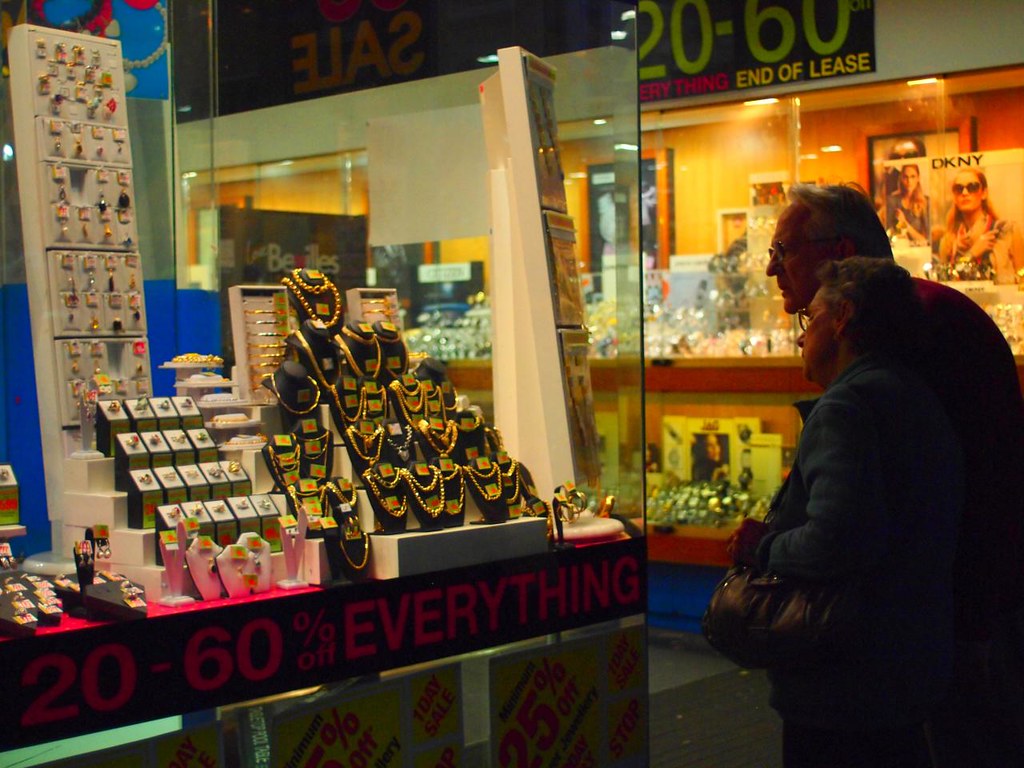
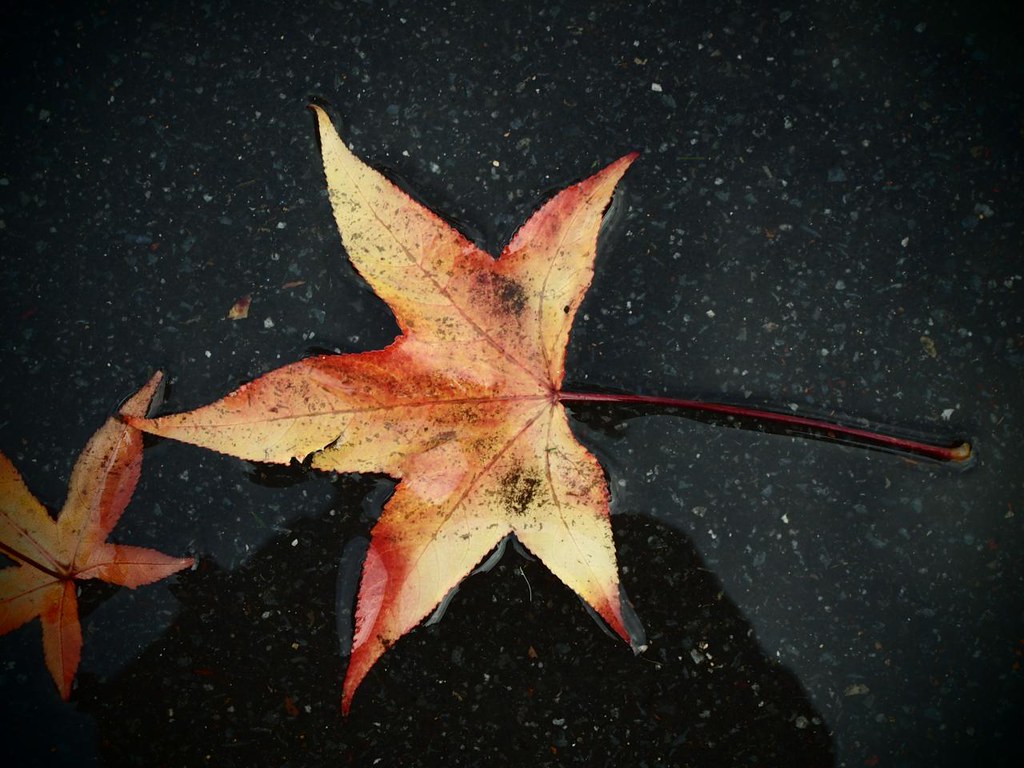
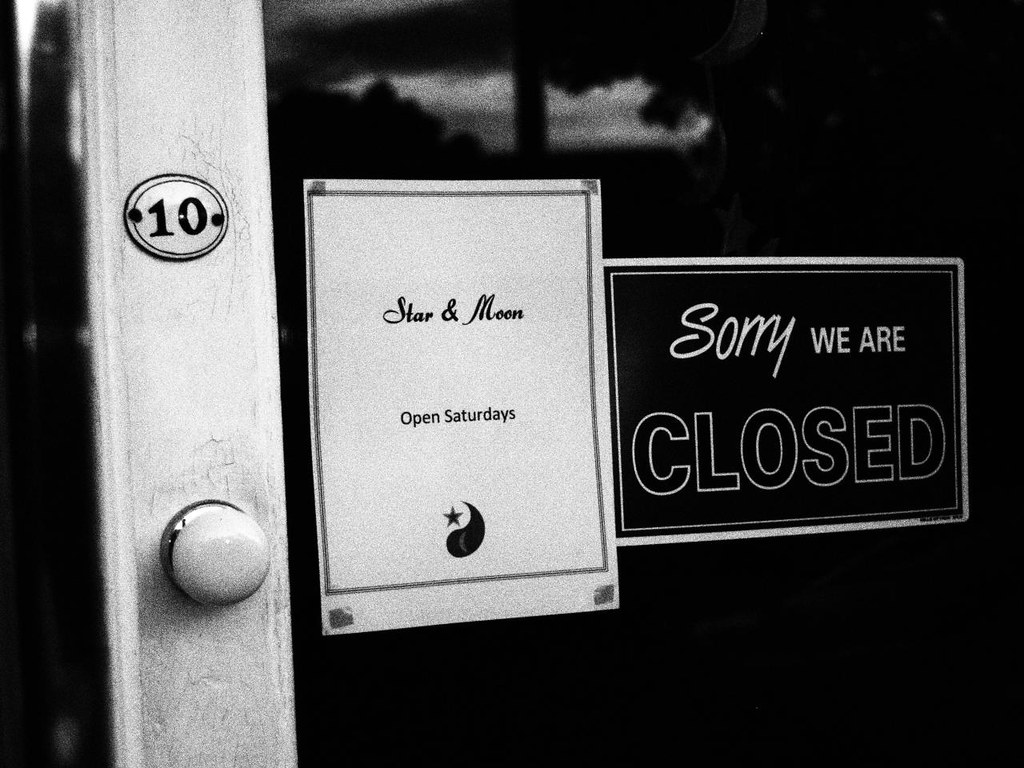
Anyway, Robin asked today, whether we had any Art Filtered shots to show off. Here are some.


A wet Sunday and reflecting on technical RAW image quality
Here's a response I posted on at a DPR forum:

Question
I was looking at the reviews on dpr and wanted to know about RAW image quality. All other things being equal is RAW image quality the most important? I mean isn't that the "real" picture?
Response
The most important, in no real rank sequence are:
- The shooter - at least 80% of the picture. I have repeatedly seen Grumpy Old Conservatives (sometimes I am one of them) proclaim that gear A is so bad that it could not be used for activity X and then wait a few months, look around and voila, some unknown person on the other side of the internet produces an image which is spectacular.
- The ability of the shooter and camera to get exposure "right". Some people rely on the camera a lot, others rely on themselves a lot. Those who rely on the camera need the exposure to be "just right"
- The ability of the shooter and the camera to get the focus "right". Again some people rely a lot on the camera, others are more tolerant
- For their needs, some shooters rely on the in-camera JPEG engine to get it right. They have no patience or persistence to sit at the computer and process data, their skill is in the field - composing, choosing the "decisive moment" - you can get gear that is technically perfect (i.e. 99% better digital quality vs 80% digital quality) but the image sucks because the shooter is a dud and gets composition, focus, exposure, depth of field or the moment, wrong.
- RAW quality is technical quality - in order to render on the screen, a human or a program has to initially preset the choice of gamma transformation curve, colour saturation, sharpening, aberration correction, perspective correction. Any image you see on the screen that is recognisable to a human, has been rendered with these rendering parameters - the rendering is not about technical perfection it is about visual choice - the two do not have to be equal.
- The RAW quality is the sensor and image processing pipeline quality - if you pick a camera which does not have the lens you want to use or the lens quality that you want, then the image could suck.

Subscribe to:
Posts (Atom)